Quick answer
Asphalt shingles are the most common roof on homes in our area. The choices that matter most are the shingle type, its wind and impact ratings, the parts under it and how it is installed. A shingle is part of a system. Ask for the product name, the install rules and the written warranty before you pick one.
What an asphalt shingle is
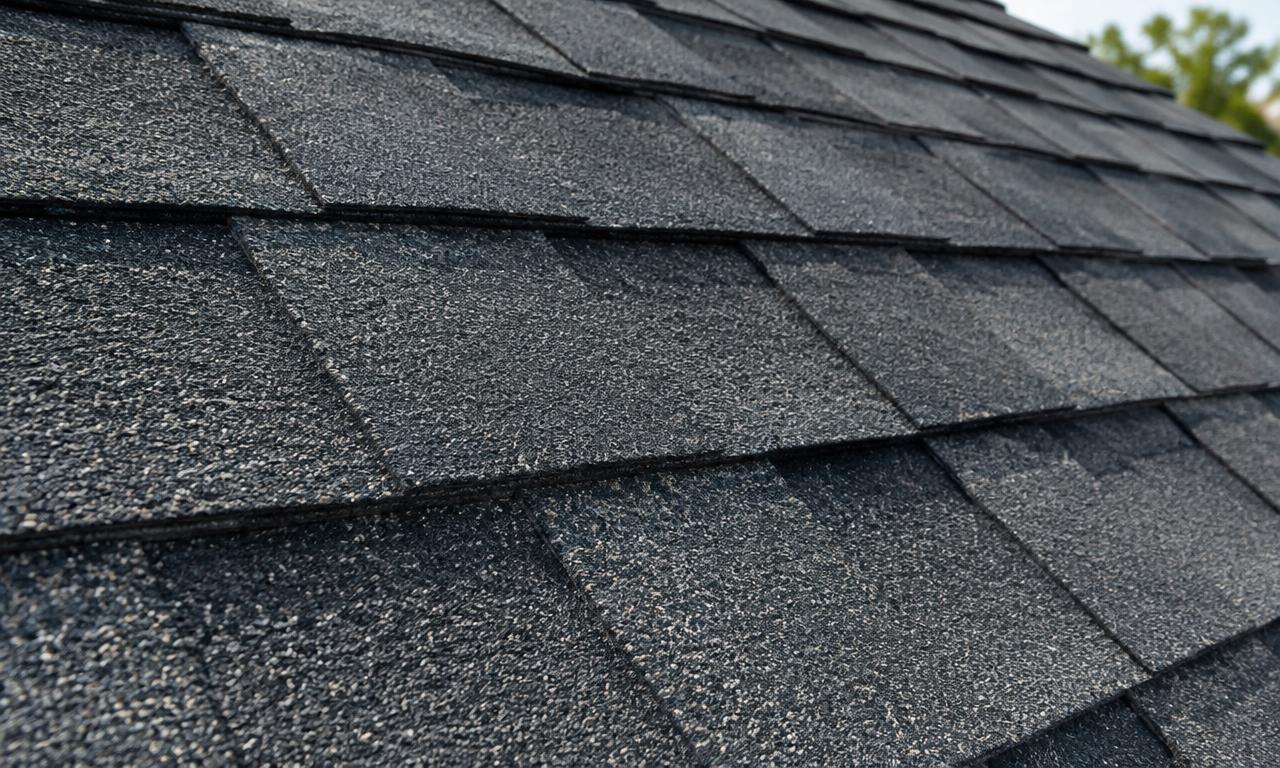
Most shingles sold today have a glass fiber mat in the middle. That mat is soaked and coated with asphalt, then topped with small mineral granules. ASTM D3462 is a common standard for this type of shingle. It covers things like tear strength, fire resistance and wind resistance when the shingle is new.
That standard tests the product, not your roof. How the shingle performs over the years depends on the install, the deck, attic airflow and the weather.
Wind ratings and why install matters
Shingles are tested for wind in a lab. ASTM D7158 is one test. It measures how well a sealed shingle holds down against lift, then gives it a class.
That standard itself says that many things affect how shingles seal in the field, such as temperature, time, roof slope, dirt and nails that are put in wrong. So a wind class is only as good as the install. Ask the crew how many nails go in each shingle, where they go and what the maker requires for high-wind areas.
| Choice | What to ask | Why it matters |
|---|---|---|
| Shingle style | Is it a flat three-tab, a thicker architectural or a premium design? | Changes look, weight and often price |
| Wind rating | What wind test and class is it rated for, and what install steps does that rating need? | A rating depends on correct nailing and sealing |
| Impact rating | Is it rated for impact, and by which test? | A higher rating may resist some hail better, but it is not hail-proof |
| System parts | Which underlayment, starter strip, ridge cap and ice barrier go with it? | Many warranties need matching parts |
| Warranty | What do the maker's warranty and the crew's work warranty each cover, and for how long? | Two different promises from two different companies |
Impact-rated shingles
Some shingles are sold with an impact rating. That means samples passed a lab impact test. A higher class passed a tougher version of that test.
A rating does not mean the roof will not be damaged by hail. Big hail, wind-driven hail and old shingles can still be harmed. Some insurers offer a discount for rated shingles. Ask your insurer what they require as proof before you buy.
The parts under the shingles
A shingle roof is a system. These parts work with the shingles to keep water out.
- Deck: the wood panels the shingles are nailed to.
- Underlayment: a layer over the deck that adds backup protection.
- Ice and water barrier: a sticky layer at eaves, valleys and other weak spots in cold climates.
- Drip edge: metal at the roof edges that helps water drop into the gutter.
- Starter strip: a row at the eaves that seals the first course down.
- Flashing: metal at walls, chimneys and pipes.
- Ridge cap and vents: the top line of the roof and its airflow parts.
Matching parts and warranties
Many shingle makers offer stronger warranties when you use their matching parts and a crew they have trained. Those terms differ by brand and product line.
The FTC says a warranty should be available for you to read before you buy. Ask for the actual written warranty for the exact product and system. Do not rely on a sales sheet or a verbal promise.
Two different warranties
The maker's warranty covers defects in the product. It often has limits, like coverage that shrinks over time or rules about who installs it.
The crew's workmanship warranty covers mistakes in the install, like nails in the wrong spot. It comes from the contractor, not the maker. Ask for both in writing, with their lengths and what voids them.
Attic airflow and shingles
For a vented attic, shingle makers often list airflow rules in their install guides. Poor airflow can make a vented attic hot in summer and damp in winter.
Not every attic is vented. Some are sealed on purpose with insulation at the roof line. Ask the crew to check what type you have and follow the maker's rules for that build.
Colors and heat
Shingle color changes the look of your home and how much sun the roof soaks up. Lighter shingles usually stay a little cooler than dark ones.
Some shingles are made to reflect more sunlight. How much that helps depends on your attic and climate. Treat any savings claim as an estimate, not a promise.
Signs your shingles are wearing out
These are reasons to get a closer look. They are not proof you need a new roof.
- Curling, cupping or cracked shingles.
- Bare spots where granules are gone.
- Many missing or creased shingles after wind.
- Leaks or stains in more than one area.
- Granules piling up in gutters along with other signs of wear.
Getting good bids for a shingle roof
Ask each crew to name the exact shingle line, color and every system part. Ask how they handle the deck, flashing and vents. This makes bids easy to compare.
The FTC advises getting written bids from more than one contractor, checking references and avoiding paying all up front. A clear bid is a good sign.
Roof slope and shingles
Shingles shed water by overlap. Each row covers the nails of the row below. That works best when the roof has enough slope for water to run off fast.
Shingle makers list the lowest slope their product can go on. Some allow lower slopes with extra layers under the shingles. Very flat roofs need a different roof, like a membrane. Ask the crew to confirm your slope fits the shingle they plan to use.
Nails and how they go in
Nails hold each shingle down. The maker's install guide says how many nails per shingle and where they go. High-wind setups often call for more nails.
Nails that are driven too deep can cut the shingle. Nails that stick up can keep it from sealing. Nails in the wrong spot may miss the layer they are meant to hold. Ask the crew how they set their nail guns and check their work.
Ice and water barrier in cold climates
In cold places, ice dams can push water up under shingles at the eaves. A sticky barrier under the shingles at the edge helps block that water. Many codes and makers call for it in cold areas.
Ask where the barrier will go. Common spots are the eaves, valleys and around chimneys and skylights. Ask how far up the roof it will run at the eaves. Local code may set a minimum, so ask the crew what applies.
Algae streaks
Dark streaks on shingles are often algae, not damage. They are more common on shaded, damp sides of a roof. Some shingles have granules made to slow algae growth.
Algae streaks are mostly a looks problem. Do not pressure wash shingles. That can strip the granules. If streaks bother you, ask the crew what the shingle maker allows for cleaning.
Questions to ask about any shingle
Use these questions with any crew and any brand. They help you compare apples to apples.
- What is the exact product name and color?
- What wind and impact ratings does it have, and from which tests?
- What parts from the same maker will you use with it?
- What does the maker's warranty cover, and what does your work warranty cover?
- How many nails per shingle, and where do they go?
- Will you remove the old roof, and how will you check the deck?
Three-tab or architectural: a quick way to choose
Most owners choose architectural shingles today. They look fuller and come in more colors. Three-tab may cost less, but fewer lines are made, and matching them later can be hard.
If you only need a repair, the crew will try to match what you have. If you are replacing the whole roof, ask to see full-size samples in daylight, not just a small chip in a book.
Removing the old roof
Most crews tear off old shingles down to the deck. That lets them check the wood, replace bad spots and put down fresh underlayment and barrier. It also keeps weight down.
A full tear-off takes more time and makes more waste. The crew should protect your yard, plants and siding. Ask how they will pick up nails when they are done. A magnet sweep of the yard and driveway is common.
Matching an older roof
If only part of a roof is replaced, new shingles may not match the old ones. Colors fade in the sun, and product lines change. The new section may stand out for a while.
Ask the crew how close the match will be and show you the sample next to your roof. For insurance work, ask your insurer how they handle a mismatch. Each policy is different.
How our request form works
We serve homes and businesses across the Omaha area. This website is a preview right now. The online form checks your answers, but it does not save or send them yet, so no roofer gets your request from it.
When online requests are turned on, this note will change. Until then, the form is a way to see what we will ask: your town or ZIP, what you see and what kind of help you need. We do not sell your details.
Common questions
How long do asphalt shingles last?
It depends on the product, the install, attic airflow and the weather. Read the maker's written warranty for what it covers. A big number on a brochure is not a promise for your roof.
Are impact-rated shingles hail-proof?
No. An impact rating means the shingle passed a set lab test. Real hail varies in size, speed and angle. Some insurers give discounts for rated shingles, so ask your insurer.
Can new shingles go over old ones?
Sometimes local code and the shingle maker allow one layer over another. But it adds weight, hides deck damage and may affect the warranty. Many crews and owners prefer a full tear-off. Ask what the maker and code allow.
What is the difference between three-tab and architectural?
Three-tab shingles are flat with cut tabs. Architectural shingles have layers glued together, so they look thicker and have more depth. Ask the crew which lines they install and why.
Do colors change heat in the attic?
Lighter colors usually reflect more sunlight than dark ones. How much that matters for your home depends on insulation and airflow. Treat any savings number as an estimate.
Related help
Sources we checked
Official and standards pages we used to check facts on this page. Rules can change, so confirm with the source.