Quick answer
A roof inspection is a careful check of the whole roof, inside and out. A good one ends with photos, plain notes and a clear answer: fine for now, needs a repair, or nearing the end. It is smart before you buy or sell a home, after a big storm, or when a roof is getting older.
The short answer
A roof inspection is a check-up for your roof. A roofer looks at the roof, the metal around openings, the gutters and often the attic. Then they tell you what shape it is in.
A good inspection does not end with a sales pitch. It ends with photos, plain notes and an honest answer. You should know what is fine, what needs work soon and what can wait.
We connect you with a local roofer who serves your area. This page helps you know what a good check looks like.
When an inspection makes sense
You do not need a roof check every month. But some times are smart times to get one.
- Before you buy a home, so you know what you are getting
- Before you sell, so there are no surprises late in the sale
- After a big hail or wind storm, even if you see no leak
- When the roof is getting older and you want to plan ahead
- When you see a stain, drip or missing shingles
- Before winter, to catch loose parts before snow and ice
- When you want a second opinion on a replacement bid
What the roofer checks outside
Outside, the roofer looks at each side of the roof. They look at the shingles or metal for cracks, curling, lost grit and missing pieces.
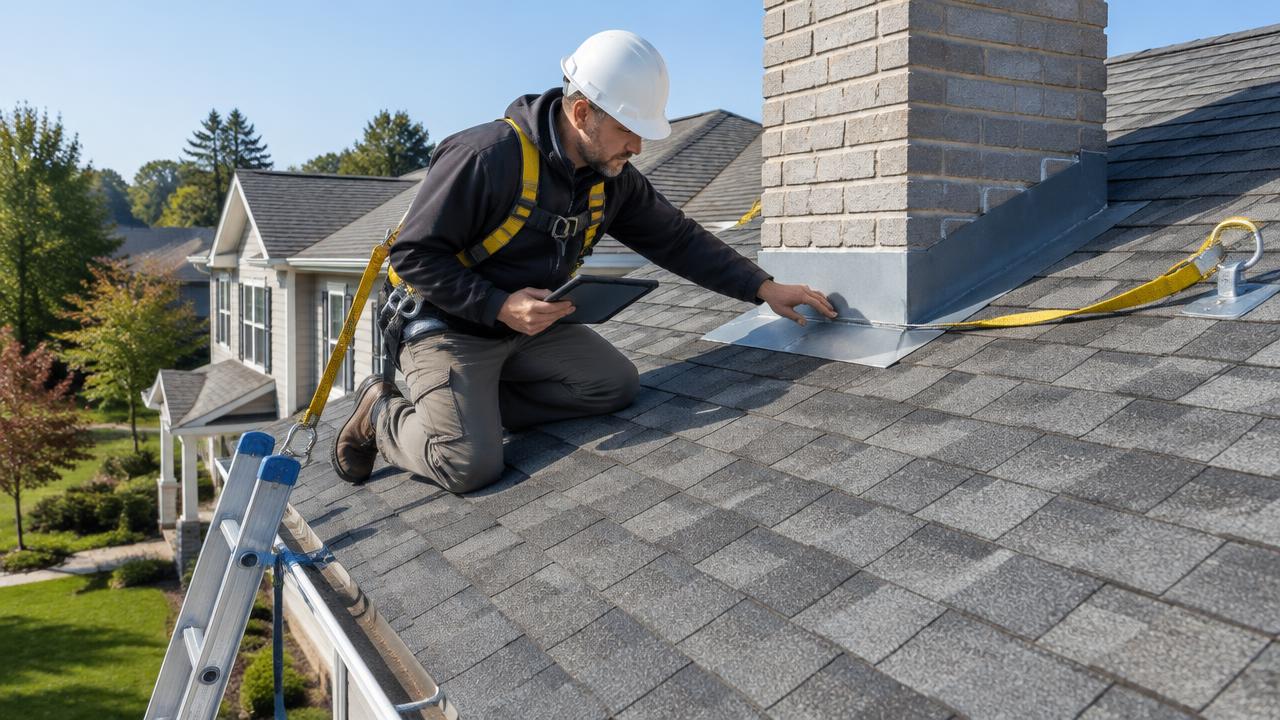
They look closely at flashing. Flashing is the thin metal that seals gaps around chimneys, walls and skylights. Many leaks start here.
They check pipe boots, vents and the ridge at the top. They look at gutters and the metal strip at the roof edge, called drip edge. They also note any tree limbs that rub the roof.
| Part of the roof | What they look for | Ask for |
|---|---|---|
| Shingles or metal | Cracks, curling, lost grit, loose or missing pieces | Photos of each side |
| Flashing | Gaps at chimneys, walls and skylights | Close photos of each spot |
| Pipe boots and vents | Cracked rubber, dents, loose covers | Count of boots and vents checked |
| Gutters and edges | Sagging, overflow marks, missing drip edge | Notes on drainage |
| Attic | Wet wood, mold, light coming in, air flow | Attic photos, if they could reach it |
| Overall | How worn the roof is | A plain answer: fine, repair, or replace soon |
What the roofer checks inside
The attic tells a lot about the roof. A roofer may look for dark or wet wood, mold, rusty nails and light coming through the boards.
They also look at air flow. A vented attic needs air to come in low and go out high. Poor air flow there can cause wet wood in winter and extra heat in summer. Some attics are sealed on purpose and work in a different way.
Inside the living space, they may look at ceiling stains. A stain far from the leak is common. Water runs along wood before it drips.
How a roofer stays safe on your roof
A careful roofer plans how to get up and stay safe before the climb. A qualified crew sets up secure access, like a ladder that is tied off and set on firm ground. On steep or high roofs, they may also use a harness tied to an anchor.
Some roofers use drones or long poles with cameras on roofs that are too steep or fragile to walk. That is a fine way to get good photos.
Please do not go up with them. If you want to see, ask for photos or watch from the ground.
What a good report looks like
A good report is easy to read. It has photos of each side and close photos of each problem. Each photo has a short note.
It sorts what they found. For example: fine for now, fix soon, and watch. It gives an honest view of how much life the roof may have left.
It does not just say you need a new roof. It shows why. If a roofer only gives you a price, ask for the photos behind it.
Inspection before you buy or sell
When you buy a home, the roof is one of the biggest costs to replace. A roof check before you close helps you plan. It can also help you and the seller talk about repairs.
When you sell, a roof check early can find small fixes you can make first. Buyers feel better when they see recent photos and notes.
Ask the roofer if the report can be shared with the other side. Keep a copy for yourself either way.
Inspection after a storm
Hail and wind can hurt a roof without a leak right away. A storm check looks for bruised shingles, broken seals, dents on metal and missing pieces.
Write down the storm date before the visit. Have your own ground photos ready. A roofer can match what you saw to what they find up close.
If you plan to file a claim, read your policy first. A roof report with clear photos can help you talk with your insurer. Only your insurer decides what is covered.
Signs an older roof needs a closer look
Roofs wear slowly. These signs mean it is a good time for a full check.
- Shingles that curl up at the edges or cup in the middle
- Lots of grit in the gutters
- Dark streaks or moss that holds water
- A roof line that dips or sags
- Patches in the same spot more than once
- Higher heating or cooling bills with no other reason
What changes the cost of an inspection
We do not list prices. Some roofers offer a basic check at no charge. Others charge for a full written report, a drone flight or a moisture scan. Ask what you get before they come.
Steep, tall or hard-to-reach roofs take more time. A full attic check takes more time. A report for a home sale may need more detail than a quick look.
Questions to ask before the visit
Ask these when you book. Clear answers help you compare roofers.
- Will you check the attic?
- Will I get photos of each side and each problem?
- Will the report be in writing?
- Is there a fee, and what does it include?
- If you find damage, will you explain repair and replace choices?
- Are you licensed and insured where I live?
Ground-level checks you can do yourself
You can learn a lot before a roofer comes. Stay on the ground. Use your phone zoom. Look for these:
- Shingles that are missing, lifted or a different color than the rest
- Gutters that sag, pull away or spill over in rain
- Grit piled at the bottom of downspouts
- Moss or dark streaks on the north side
- Tree limbs touching the roof
- Stains on ceilings, near the chimney or around skylights
- From the attic hatch only, light or drips you can see with a flashlight
Common things inspections find
Many inspections find small things, not big ones. A cracked pipe boot is a common find. So is flashing that has pulled loose at a wall or chimney.
Roofers also often find clogged gutters, nail pops and missing ridge caps. These are small fixes when caught early.
Sometimes they find bigger things. Soft spots in the wood, many bald shingles or wet attic boards can mean the roof is near its end. A good report says so clearly and shows you why.
What to do with the report
Read the whole report, not just the price at the end. Look at the photos. Ask about anything you do not understand.
Sort the items into now, soon and watch. Fix the now items first, like an open flashing gap. Plan for the soon items. Look at the watch items again next year.
If the report says you need a new roof, get one or two more opinions. Compare the photos. Our roof replacement page explains how to read and compare bids.
Keep the report in a safe place. It is useful when you sell, file a claim or hire someone later.
How often to get a roof checked
There is no single rule. Many people get a check every few years, and after big storms. Older roofs may need a look more often.
If you just had a new roof put on, ask the roofer when they suggest the first check. Some warranties ask you to keep the roof in good shape. A check helps show that.
Inspections for new and young roofs
A young roof can still have problems. A missed nail, a loose pipe boot or flashing that was put on wrong can leak in the first few years.
If your roof is only a few years old and leaks, call the roofer who put it on first. Check your workmanship warranty. Ask them to come look and show you photos.
If that roofer is gone or will not help, another roofer can do a check. Their notes can help you work with the maker warranty or decide on a fix.
Keep every paper from the original job. Dates, product names and photos make warranty talks much easier.
Free check or paid report?
A free check can be a good start. Just know that the roofer may also want to sell you the work. That is fine, as long as they show you proof.
A paid report may give more detail, like a moisture scan or a full photo set. It can be useful when you buy a home or need a neutral view. Ask what you get either way.
How our request form works
We serve homes and businesses across the Omaha area. This website is a preview right now. The online form checks your answers, but it does not save or send them yet, so no roofer gets your request from it.
When online requests are turned on, this note will change. Until then, the form is a way to see what we will ask: your town or ZIP, what you see and what kind of help you need. We do not sell your details.
Common questions
Is a roof inspection the same as a home inspection?
Not quite. A home inspector looks at the whole house. Many check the roof from the ground or a ladder. A roofer looks closer at the roof itself. When a home inspector flags the roof, a roofer can take a second look.
Do I need to be home?
It helps if the roofer needs to see the attic or ceilings. If they only need the outside, ask if you can skip it. Either way, ask for the photos and notes.
Can a roof be inspected in winter?
Often, yes, if the roof is dry and clear. Snow and ice hide damage and make the roof unsafe. A roofer may wait for a clear day.
Will I get a written report?
Ask before the visit. Some roofers give a full report with photos. Some give a quick note. A written report is much more useful for comparing bids or talking to an insurer.
Do you inspect roofs?
We connect you with a local roofer who serves your area. That roofer does the inspection and talk with you about what they find.
Related help
Sources we checked
Official and standards pages we used to check facts on this page. Rules can change, so confirm with the source.