Quick answer
A good flat roof repair starts by naming the exact roof system and finding out what is wet. Small, dry damage can often get a local repair made for that membrane. Wet insulation needs to come out and be replaced. Wide wear may call for a bigger plan. No single tape, coating, weld or torch method works on every flat roof.
Step one: name the roof system
Flat roofs are not all the same. Common types include TPO, PVC, EPDM, modified bitumen, built-up and coated roofs. Each one is made of different stuff and is joined in a different way.
Before any repair, the crew should know which system you have. They may look at seams, edges and a small core cut. Past records help too. The repair method depends on this answer.
Step two: find out what is wet
A leak on the inside does not show how much is wet on the roof. Water can travel far under the sheet. It can soak insulation many feet away from where it drips.
Two kinds of tests answer two different questions. A moisture survey, using tools like infrared cameras or moisture meters, maps where the layers under the sheet may be wet. Core cuts then confirm what is really there.
An electronic leak test looks for holes in the membrane itself. It only works on roofs built in a way that suits it. It can point to a breach, but it does not show how far wet insulation has spread. Ask which test was used, what it can and can't show, and how sure the crew is.
Local repairs that match the membrane
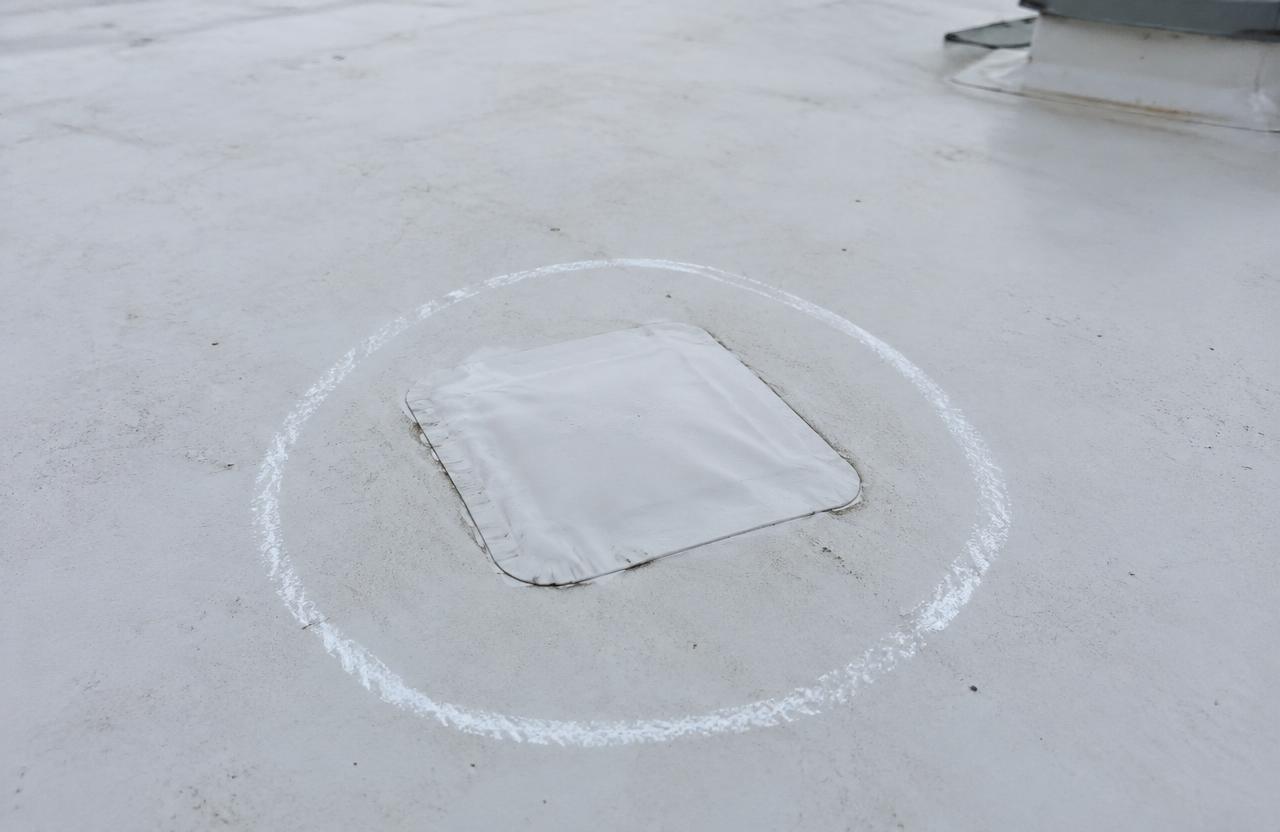
Small, dry damage can often get a local repair. On TPO and PVC, that may mean a patch welded with hot air. On EPDM, it often means cleaning, priming and setting a patch with tape. Coated roofs may get more coating with fabric.
Each maker lists which patches, adhesives and primers work with its sheets. Carlisle, for example, publishes a guide that matches adhesives to its membranes. Using the wrong product can lead to poor bonds. Ask which approved product will be used.
| What is found | Likely path | Ask the crew |
|---|---|---|
| A small hole or open seam, dry insulation below | Local repair made for that membrane | Which maker-approved patch or method will you use? |
| Wet insulation in one area | Cut out and replace the wet area, then repair | How did you find the wet area, and how big is it? |
| Many open seams or brittle sheet across the roof | Wider plan: recover, restore or replace | Can you show photos from across the roof? |
| Leak at a drain, curb or edge | Detail repair at that spot | What detail does the maker call for here? |
| Water sits for days after rain | Drainage fix as part of the plan | Will the repair change how water drains? |
When wet material has to come out
If insulation is wet, it often needs to come out. Wet insulation loses its value. It can stay wet for a long time under a sealed roof. It can also hide rust or rot on the deck below.
The crew cuts out the wet area, checks the deck, sets new dry insulation and then rebuilds the roof layers. This takes more work than a patch. But leaving wet material in place can cost more later.
When a wider plan makes sense
Sometimes the roof has many problems. Seams may be failing in many places. The sheet may be brittle. Large areas may be wet. In these cases, small repairs may not keep up.
A wider plan could be a recover, a restoration coating or a full replacement. Each has its own rules. A recover adds a new roof over the old one where allowed. A coating needs a sound, dry roof. A replacement removes the old roof. Ask the crew to show why they suggest each option.
No one method fits every roof
You may hear that tape fixes everything, or that coating is the cure-all. That is not true. Tape works on some roofs and not others. Coatings need the right surface and dry layers. Welding works on TPO and PVC, not on EPDM.
Heat and torches are used on some modified bitumen and built-up repairs. They bring fire risk. These jobs need trained crews, fire watch and a safety plan. They are never do-it-yourself work. Flood tests also are not a general step; they need a checked roof load and careful control.
Details: drains, curbs and edges
Many flat roof leaks start at details, not in the open field. Drains, pipe boots, unit curbs, walls and edges are common trouble spots.
Each maker has detail drawings for these spots. A repair should follow the detail for that membrane. Ask the crew which detail drawing they will use and for photos after the work.
Coatings as a repair tool
Some liquid coatings can repair or restore certain roofs. GAF's liquid-applied roofing manual, for example, describes surface prep, primers and where its products can go. It also lists limits.
A coating is only a fit when the roof is sound, dry and on the product's approved list. It does not fix wet insulation by itself. Ask for an adhesion test before a coating goes on.
What you can safely do
Stay off the roof yourself. Flat roofs can have weak spots, skylights and slick areas. From inside, you can catch drips, move items and log where water shows up.
Keep drains clear as part of planned maintenance by a trained crew. Keep a file of past repairs and the roof type. Share that file with the crew when they come.
How crews tell roof types apart
TPO is often white, gray or tan, with seams that look melted together. PVC can look much the same, so a crew may need product records or a small sample to tell. EPDM is usually a black rubber sheet with taped or glued seams. Modified bitumen has rolled sheets, often with a granule top. Built-up roofs have many layers and are often topped with gravel.
Coated roofs can hide what is under them. A crew may need to cut a small core to see the layers. That core should be patched right away with a matching repair.
Matching the repair to the substrate
The substrate is the surface the repair sticks to. It could be the membrane, a cover board, metal flashing or old coating. Each needs its own prep.
Prep may include cleaning, drying, priming or scuffing. Makers list these steps for each product. Skipping prep is one of the most common reasons a repair fails. Ask the crew what prep they will do and how long it takes.
Weather and repairs
Many repair products need a dry surface and the right temperature. Primers and adhesives can fail if used in cold, damp or dewy conditions. Each product sets its own limits.
In bad weather, a crew may set a temporary fix and come back for the real repair. That is often the right call. Ask what is temporary and when the final repair will happen.
Age of the roof and repair value
An older membrane can be harder to repair. Some older sheets do not weld or bond as well as new ones. The crew may need to clean deeper or use special prep.
If a roof is near the end of its life, many small repairs may cost more over time than a planned recover or replacement. Ask the crew to compare the cost of repairs over the next few years with the cost of a bigger plan. Ask for photos to back up their view.
Keeping a repair map
Ask the crew to mark each repair on a roof plan. Add the date, the method and photos. Over time, this map shows where problems keep coming back.
If repairs cluster in one area, there may be a deeper cause, like poor drainage or wet insulation. A repair map helps you and the next crew see the pattern.
Warranties and approved repairs
If your roof has a maker's warranty, there may be rules about who can repair it and how. Some makers require approved contractors or approved methods. A repair that does not follow these rules could affect coverage.
Find your warranty papers before you call for repairs. Share them with the crew. Ask them to confirm their repair will follow the maker's rules.
Foot traffic and roof damage
Many flat roof holes come from people, not weather. Dropped tools, sharp screws and heavy boots near units can puncture sheets. Gear left on the roof can wear holes over time.
Walk pads near units help. So does a rule that only trained people go on the roof. Ask service techs to report any damage they cause. A quick repair beats a long leak.
Blisters, ridges and splits
Blisters are raised bubbles in the roof. Ridges are long raised lines, often over board joints. Splits are cracks that open in the sheet. Each can have a different cause, like trapped moisture, movement or age.
Not every blister needs to be cut. Some are left and watched. Others are repaired. The crew should explain what they see and why they chose a fix. Ask for photos before and after.
Planning repairs with the budget
Ask the crew to sort repairs into three groups: fix now, fix soon and watch. Fix now items stop active leaks or safety risks. Fix soon items keep small problems from growing. Watch items are noted and checked at the next visit. This helps you plan spending without ignoring urgent needs.
Signs a repair did not hold
Watch the spot inside after the next few rains. A stain that keeps growing, a fresh drip or a damp smell are signs to call the crew back. From a safe window, look for lifted patch edges or new puddles near the repair.
Most repair warranties need you to report problems soon. Keep the crew's contact and your repair map handy.
Questions to ask before a repair
Use this list to compare crews.
- What roof system do I have, and how do you know?
- How did you find the wet area?
- Which maker-approved product or method will you use?
- Will any wet insulation be removed?
- Does the repair follow the maker's detail drawing?
- What does the written repair warranty cover?
Common questions
Can any patch fix any flat roof?
No. TPO, PVC, EPDM, modified bitumen, built-up and coated roofs each need repair parts made for them. The roof maker lists which patches, adhesives and primers work with each sheet.
Why does wet insulation matter for a small leak?
Water can spread far under the membrane. Patching the top while leaving wet insulation can trap water. That can rust the deck, crush the insulation and lead to more leaks later.
Can we just coat the whole roof instead?
Only if the roof is a good candidate. Coatings need a sound, dry roof and a product made for that surface. A coating does not fix wet insulation or failed seams by itself.
Is a torch used to fix flat roofs?
Some roof types, like certain modified bitumen sheets, may use heat. Others never do. Hot work needs trained crews, fire safety and a plan. It is never a do-it-yourself job.
How long will the repair last?
It depends on the roof's age, the repair and the conditions. No one can promise a set number of years. Ask what the repair warranty covers, in writing.
Related help
Sources we checked
Official and standards pages we used to check facts on this page. Rules can change, so confirm with the source.