Quick answer
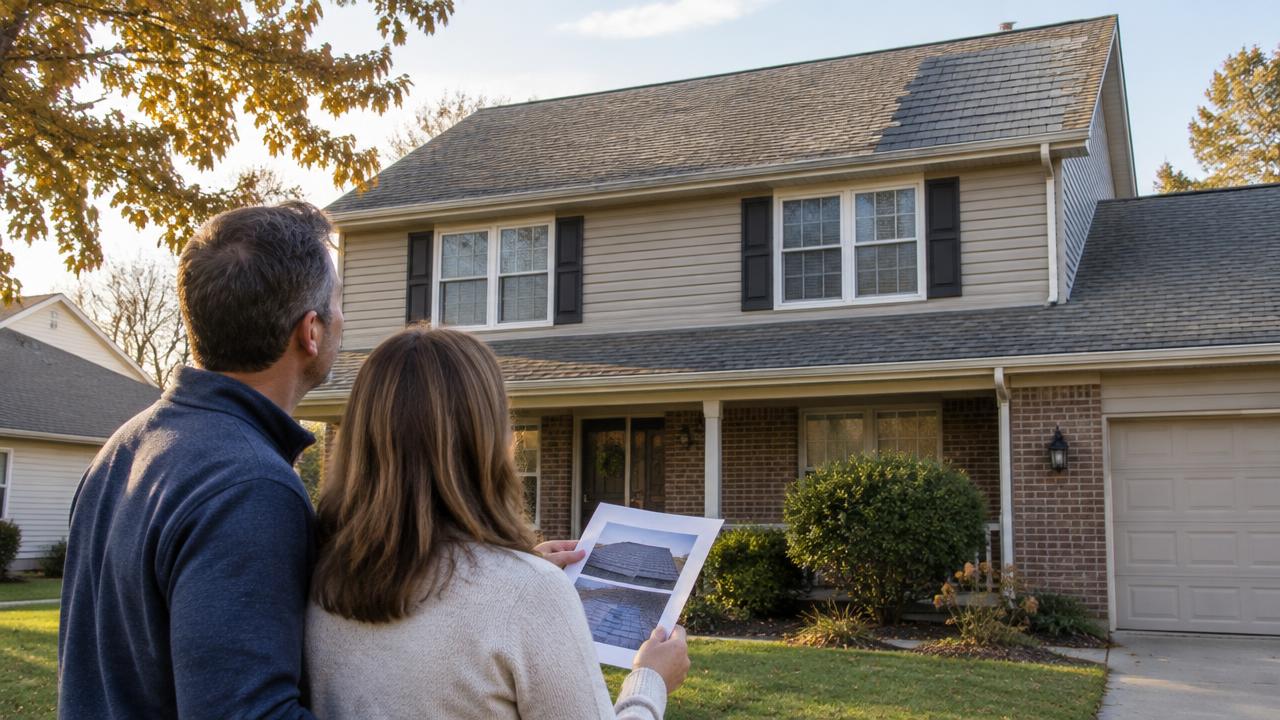
Repair when the problem is in one spot and the rest of the roof is healthy. Replace when wear is everywhere, leaks are in many places or the wood is soft in large areas. Use photos of every side, the roof's age and your plans for the house to decide.
The short answer
Repair if the damage is in one place and the rest of the roof is in good shape. Replace if the wear is everywhere or the leaks keep coming back.
That sounds simple, but real roofs sit in the middle. This guide gives you a clear way to think it through, with questions to ask and signs to look for.
Start with the facts
You need a few facts to decide well. Gather these before you compare bids.
- About how old the roof is
- Photos of every side of the roof
- Where any leaks are and when they happen
- How many repairs it has had
- How long you plan to stay in the home
- What your insurance covers, if storm damage is involved
Signs a repair makes sense
- The problem is in one spot, like a pipe boot or flashing
- Most shingles lie flat and still have grit
- The wood deck feels firm
- There has been only one leak or a few small ones
- The roof is not near the end of its life
- Matching shingles are still available
| Factor | Leans repair | Leans replace |
|---|---|---|
| Where the problem is | One area | Many areas |
| Shingle condition | Flat, with grit | Curled, cracked or bald |
| Wood deck | Firm | Soft in many spots |
| Past repairs | Few or none | Many, same spots |
| Roof age | Young or middle | Near the end of its life |
| Your plans | Selling soon, tight budget | Staying long term |
| Storm damage | A few hits | Hits on every slope |
Signs a replacement makes sense
- Shingles are curled, cracked or bald on most slopes
- Water stains turn up in two or more rooms
- The deck is soft in many places
- The same areas have been patched again and again
- Hail or wind damaged every slope
- The roof already has two layers
The shoe test
Think of a roof like a pair of shoes. A loose heel is a quick fix. Holes in both soles mean it is time for new shoes.
Ask yourself: is this one loose part, or is the whole roof wearing thin? Photos of every side answer that.
Roof age, in plain words
Roofs do not last forever. Sun, heat, cold and storms all wear them down. How long they last depends on the material, the install and the attic air flow.
Age alone does not decide it. An older roof in good shape can be repaired. A newer roof hit hard by hail may need replacing.
If you do not know the roof's age, a roofer can often give a rough idea from its condition. Old permits can sometimes help too.
Money: short term and long term
A repair costs less today. If the roof is sound, that is money well spent.
But many repairs on a worn-out roof can add up. At some point, the patches cost more than they save.
Ask each roofer: if I repair now, what do you expect in the next few years? Their answer helps you plan.
Your plans for the house
If you plan to sell soon, a solid repair may be enough. Keep the records to show buyers.
If you plan to stay many years, replacing a worn roof now can save you from repeat leaks.
Some buyers and lenders look closely at roof age. A recent roof can make a sale smoother.
Storm damage changes the math
After hail or wind, insurance may help pay for repair or replacement. That can change your choice.
Read your policy or call your agent. Get a roofer's photos. Only your insurer decides what is covered.
Matching shingles
Old shingles fade. Some colors are no longer made. A repair may not match perfectly.
On the back of the house, that may not matter to you. On the front, it might. Ask for a sample before the repair.
Partial replacement
Sometimes only one slope is worn, like the side that gets the most sun. Replacing just that side can be an option.
Ask how the new part will meet the old part at the ridge and valleys. Ask about matching and warranty.
Get more than one opinion
For big decisions, talk to two or three roofers. Ask each one for photos of every side and a written reason for their advice.
If one says repair and another says replace, compare the photos. The truth is usually in the pictures.
Questions to ask every roofer
- Is this a repair or a replacement, and why?
- Can you show me photos of every side?
- How much life does the roof have left, roughly?
- What do you expect if I repair now?
- Is the wood deck sound?
- What warranty comes with each choice?
For business roofs
Commercial roofs follow similar logic, with extra steps like moisture checks and coating options. See our coating or replacement guide and our commercial roofing pages.
A simple scoring sheet
Use this quick sheet with the roofer's photos. Give one point for each yes.
- Are problems showing up in more than one area?
- Are most shingles curled, cracked or bald?
- Is the deck soft in more than one spot?
- Has the roof been patched three or more times?
- Did hail or wind hit every slope?
- Is the roof near the end of its expected life?
- Do you plan to stay in the home for many years?
Reading your score
Zero to two points: a repair is often the smart first step. Fix the problem and plan to check the roof again in a year or two.
Three or four points: it could go either way. Get two opinions and compare photos.
Five or more points: replacement may save you money and stress over time. Compare full bids.
This sheet is a guide, not a rule. A roofer's close look should have the final say.
What a repair should include
If you choose a repair, make it a good one. A good repair bid names the exact spot, the parts and what happens if they find wet wood.
Ask for photos before and after. Ask how long their workmanship warranty lasts. Our roof repair page explains this in detail.
What a replacement should include
If you choose to replace, compare bids line by line. Look at tear-off layers, wood, underlayment, ice shield, flashing, vents, shingle brand and line, cleanup and warranty.
A clear bid lists each item. A vague bid just says new roof. Our roof replacement page and bid checklist walk you through each line.
Common myths
- Myth: a new roof is always better. Truth: a sound roof with one bad spot only needs a repair.
- Myth: a leak means a new roof. Truth: most leaks come from one part, like a pipe boot.
- Myth: old roofs cannot be repaired. Truth: condition matters more than age.
- Myth: insurance always pays for a new roof after hail. Truth: only your insurer decides, based on your policy and the damage.
When to wait and watch
Sometimes neither choice is urgent. A roof with mild, even wear and no leaks can often wait a year.
Check it after big storms. Look at ceilings and gutters. Plan your budget so you are ready when the time comes.
Attic clues that help decide
Your attic can tell a lot. From the hatch, with a flashlight, look for dark stains on the wood, light coming through, or damp insulation. Do not crawl in.
A few stains near one pipe point to a repair. Stains spread across the attic point to wider problems. Share what you see with the roofer.
Energy and comfort
A new roof alone does not always lower energy bills. Attic insulation and air flow matter more.
If you replace, ask the roofer whether your attic is vented or unvented, and to check vents if it is vented. If you repair, you can still improve insulation and air sealing later.
Our attic insulation and ventilation page explains how these parts work together.
Timing your decision
Roofers can be busy after big storms. If your roof is near the end, plan a replacement before it starts leaking.
Some people replace in spring or fall when weather is mild. Others wait for a dry stretch in summer. A repair can buy time while you plan.
Insurance and age
Some policies pay less for older roofs. Some limit coverage after a certain age.
Read your policy or ask your agent how your roof's age affects coverage. That may change whether you repair or replace now.
When you sell the home
Buyers often ask about the roof. A home inspector may flag wear or old repairs.
Records help a lot. Keep bids, photos, receipts and warranties together. A roof that was repaired well, with proof, reassures buyers.
If the roof is near the end, some sellers replace it first. Others offer a credit. Talk with your agent about what fits your market.
Questions to ask yourself
Your own answers matter as much as the roofer's. Think about these.
- How would I feel about another leak next year?
- Can I cover a repair now and save for a new roof later?
- Does a patch that does not match bother me?
- Am I planning other big projects soon, like solar or new gutters?
- Is my insurance company asking about the roof's age?
Solar panels and new gutters
If you plan to add solar panels, think about the roof first. Panels sit on the roof for many years. Taking them off later to replace the roof adds cost.
If the roof is near the end, many people replace it before solar goes on. If it is in good shape, a repair may be fine.
New gutters can go on with a new roof or later. Doing both at once can make the edge details cleaner.
How our request form works
We serve homes and businesses across the Omaha area. This website is a preview right now. The online form checks your answers, but it does not save or send them yet, so no roofer gets your request from it.
When online requests are turned on, this note will change. Until then, the form is a way to see what we will ask: your town or ZIP, what you see and what kind of help you need. We do not sell your details.
Common questions
How old is too old for a repair?
There is no single age. Condition matters more. An older roof in good shape can take a repair. A younger roof with damage everywhere may not.
Can I replace just one side of the roof?
Sometimes. It can work if only one slope is worn or damaged. Matching shingles and how the sides meet at the ridge both matter. Ask the roofer.
Will a repair hurt my home's value?
A good repair with matching shingles usually does not. A roof that keeps leaking does. Keep records of the work to show buyers.
What if two roofers disagree?
Ask each for photos of every side and the reasons. Get a third view if needed. Photos settle most questions.
Can you help me get two opinions?
Yes. Send a request and tell us you want to compare. We connect you with local roofers who serve your area.
Related help
Sources we checked
Official and standards pages we used to check facts on this page. Rules can change, so confirm with the source.