Quick answer
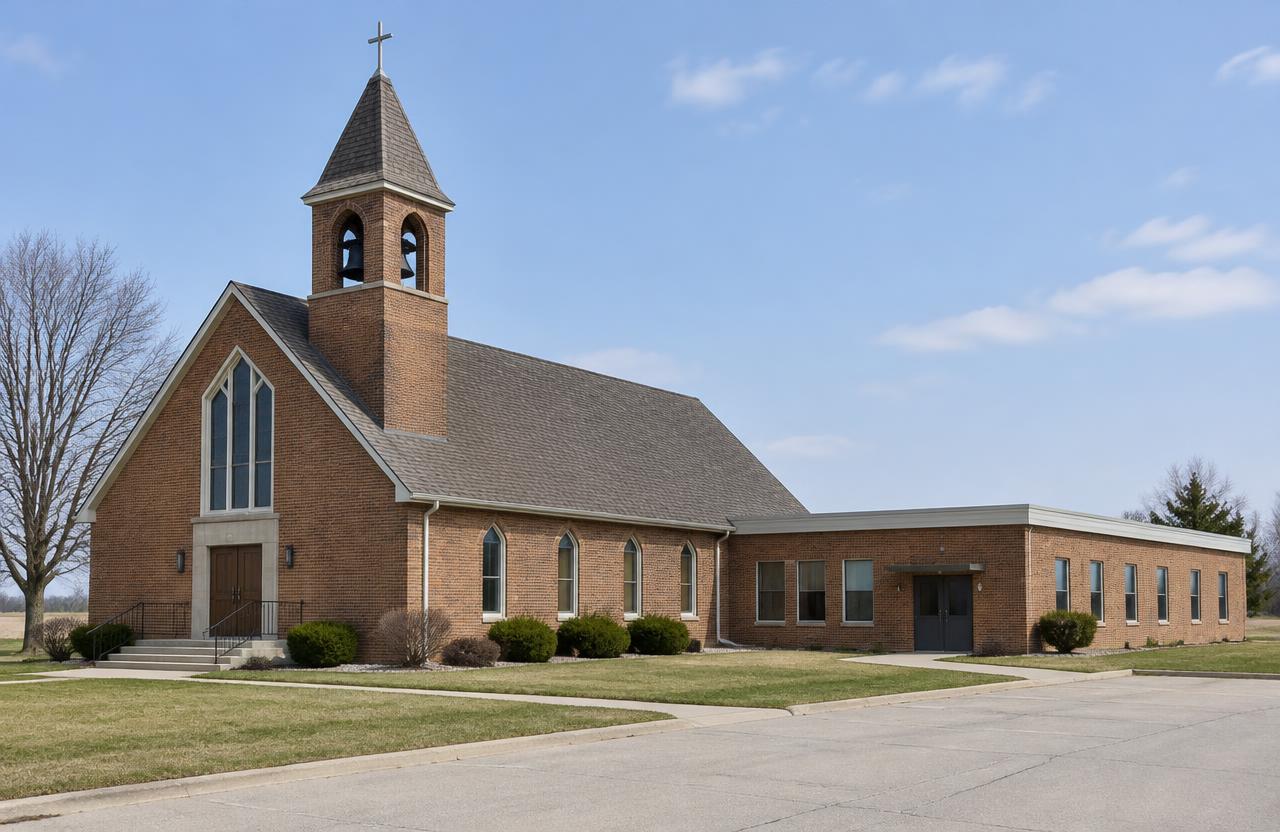
For a church roof, the hard part is often making the decision, not the roof itself. Leadership needs a clear packet: the options, what each one leaves out, a contingency plan, who can approve, and work windows around services, funerals, weddings, childcare and outside groups. Plan for safe, accessible entrances and for keeping people informed. No crew should promise the building will be ready by a set Sunday.
Why church roof decisions take care
Churches often make big spending choices through a board, council or committee. Members may be giving money for the roof. Leaders want to be careful and fair.
That means the roof plan has to be clear enough for non-experts to understand. It also has to fit around worship and the life of the church. A good packet helps leaders decide well.
Build a decision packet
A decision packet puts the facts in one place. It should show the problem, with photos. It should show two or three options, each with its scope, cost range and trade-offs.
It should list what each bid leaves out, how hidden damage will be handled, and who has the power to approve. Clear packets lead to faster, better decisions.
Options and trade-offs
Leaders should see more than one path. That might be a repair now, a partial replacement of the worst area or a full replacement. Some churches have more than one roof type, like a steep main roof and a flat roof over a hall.
For each option, show what it fixes, what it doesn't and how long it might buy. Avoid promises about how many years an option will last. Our repair or replace guide helps frame the choice.
| Item | What it shows | Why it matters |
|---|---|---|
| Two or three options | For example, repair, partial work or full replacement | Lets leaders compare, not just say yes or no |
| Exclusions | What each bid does not cover | Prevents surprises later |
| Contingency | How hidden damage will be priced and approved | Old buildings often hide wet deck or rot |
| Who approves | Board, committee or other body, and spending limits | Avoids stalled work or unapproved costs |
| Work windows | Dates and hours around services and events | Protects worship, funerals, weddings and groups |
| Access and communication | Entrances, ramps and how the congregation is told | Keeps everyone safe and informed |
Exclusions and contingencies
Every bid leaves things out. Common ones are deck damage, structural repairs, gutter work, interior repairs and permits. List them for each bid.
Old churches often hide damage. Ask how hidden problems will be found, priced and approved. A contingency is money set aside for these surprises. Decide ahead who can approve using it and up to what amount.
Who can approve what
Write down who approves the contract, who approves change orders and up to what amount. Name one person to talk with the crew day to day.
This avoids stalled work when a crew finds something mid-job. It also protects the church from costs no one approved.
Work windows around church life
Churches are busy. There are weekend services, midweek events, funerals, weddings, childcare, classes and outside groups using the space.
Share the church calendar with the crew. Mark days and hours with no work or no noisy work. Plan for funerals that come up on short notice. Agree how the crew will pause or clear areas, and who calls them.
Childcare and outside groups
If the church runs childcare or a school, or rents space to groups, those people need extra care. Children may play near work zones. Groups may use doors that are near crane lifts or debris.
Plan barriers and safe paths. Tell childcare staff and group leaders the schedule. Keep work areas away from play spaces and entries they use.
Lead paint rules can matter here, but only in some cases. EPA's renovation rules can apply when work disturbs paint in a building built before 1978 that young children use often, such as a church childcare room. A roof-only job that disturbs no paint may not count. If the job will disturb painted trim, soffits or walls in such a space, ask whether a lead-safe review is needed.
Access, entrances and exits
People must get in and out safely during the job. That includes people who use wheelchairs, walkers or strollers. Ramps and accessible doors need to stay usable or have a clear, safe option.
OSHA's exit route rule protects workers at a workplace. It does not replace the fire and building codes that protect the congregation. Keep exits and paths to them open, and check what applies with your local officials.
Air quality during work
Some roof products give off fumes. Fumes can be pulled into the building through vents or doors. The EPA's guide for building managers suggests planning around air intakes during roof work.
Ask the crew which products they plan and what cautions come with them. Schedule smelly work away from services and childcare hours when you can.
Planning ideas from emergency guides
A federal planning guide for houses of worship encourages leaders to plan ahead, name roles and practice how they'll communicate in an emergency. These principles help on a roof project too.
They are planning ideas, not local rules. Use them to set roles and contact lists. Then check local codes and permits for what is required.
Keeping the congregation informed
Members want to know what's happening. Share the plan in bulletins, emails and announcements. Explain which doors to use and when work will be loud.
Update them if plans change. A short, clear note goes a long way. People who feel informed are more patient when there are delays.
Older and historic church buildings
Many churches are old. Some have slate, tile or copper. Some have stained glass that can be harmed by debris or vibration.
Ask the crew how they'll protect windows and special features. If the building is historic, ask if any local review applies. Our slate page covers slate roofs in more depth.
If the building was built before 1978 and the work will disturb painted parts used by young children, see the lead paint note in the childcare section above. Most other roof work on older churches does not trigger that rule.
Raising money for the roof
Many churches raise money for a roof. Members want to know what they are paying for. A clear plan helps.
Share the problem, the options and the cost range. Avoid promising a set date or price before the bid is signed. Update members as the job moves.
Bell towers and steeples
Towers and steeples can be hard to reach. Work on them may need lifts or special gear. Some have their own roofs and flashings.
Ask if the tower or steeple is in the scope. Ask how the crew will reach it safely.
After the job
When the job is done, walk the site with the crew. Look for debris, damage and loose items. Ask for photos and warranty papers.
Keep a roof file for future leaders. It helps the next group know what was done and when.
Insurance and the church
Some roof jobs follow storm damage. Your insurer may need to see the damage first. Some policies ask for steps to stop more damage.
Call your agent early. Keep photos and records. Ask the crew for a written report.
Flat roofs over halls and classrooms
Many churches have flat roofs over halls, offices or classrooms. These roofs need their own care. Drains can clog. Seams can open.
Ask the crew to look at every roof, not just the main one. Our flat roof pages explain common problems.
Choosing between bids
The lowest bid is not always the best value. Compare the scope, the products, the warranty and what is left out.
Ask each bidder the same questions. Put their answers side by side in the leadership packet.
Weddings and other booked events
Weddings and big events are often booked months ahead. Families plan around them. Roof work on those days can ruin photos, noise or access.
Share the booked events with the crew. Mark them as no-work days or quiet days. Plan the job around them from the start.
Volunteers and the roof
Some churches have helpful volunteers who offer to do roof work. Roofs are dangerous. Falls cause serious harm.
Thank them, but keep volunteers off the roof. Let trained crews with fall gear do the work. Volunteers can help with notices, moving items and site cleanup on the ground.
Keeping a steady pace
Church jobs often pause for services and events. That can stretch the schedule. Plan for it in the timeline.
Ask the crew how they will close up the roof safely before each pause. A roof left open over a weekend can leak during worship.
Ramps and accessible doors during work
If an accessible entrance sits near the work, it may need to close for a time. Plan another accessible way in before it closes. Mark it clearly.
Tell members who rely on that entrance ahead of time. Ask ushers or greeters to help guide people on service days.
Weekly check-ins with the crew
A short weekly meeting keeps everyone on the same page. The church contact and the crew lead can review what was done, what comes next and any events coming up.
Use the meeting to raise problems early. Note any changes and who approved them. Share a short update with leaders after each meeting.
Clear notes for leaders who come later
Church leaders change over the years. The people who made the roof choice may not be around when the next problem comes.
Put the decision packet, the contract, the warranty and the final photos in one place. Note why the choice was made. Future leaders will thank you.
Gutters and water at the walls
Old churches often have tall walls and long roof runs. A lot of water lands in gutters. Overflow can soak brick and stone.
Ask if gutters and downspouts are in the scope. Ask where the water will go. Our gutter page explains common problems.
Questions to ask bidders
Use these when gathering bids for the leadership packet.
- What options do you suggest, and what does each leave out?
- How will hidden damage be found, priced and approved?
- Can you work around our calendar, including short-notice funerals?
- How will you keep entrances, ramps and exits safe and usable?
- Which products have strong smells, and can that work skip service times?
- How will you protect stained glass and special features?
- Does our city need a permit for this job, and who gets it?
Common questions
Can the work be done by Sunday?
We won't promise that. Weather, hidden damage and safety can change a schedule. Ask for a plan that keeps the building safe for each service, with a backup plan if work runs over.
Are churches exempt from permits or rules?
Not as a blanket rule. Permit, code and safety rules can apply to churches as to other buildings. Ask your local building office what applies to your project.
What if a funeral comes up during the job?
Plan for it. Agree ahead of time how the crew will pause noisy work or clear areas on short notice, and who calls them.
Do we need more than one bid?
It often helps. Many church boards want to compare. Make sure each bidder prices the same scope so the bids can be compared fairly.
Who should talk with the crew day to day?
Pick one person, like a facilities lead or church administrator. Give them clear limits on what they can approve.
Related help
Sources we checked
Official and standards pages we used to check facts on this page. Rules can change, so confirm with the source.
- Federal guide for developing emergency operations plans for houses of worship (PDF; planning principles, not local mandates)
- OSHA 1910.37: maintenance, safeguards and features of exit routes
- U.S. EPA: Building Air Quality guide for building owners and facility managers
- U.S. EPA: lead renovation rule for child-care facility operators