Quick answer
For a TAMKO roof, the exact product and the date it was bought at retail decide which standard warranty paper applies. Keep both the purchase and the install records. TAMKO's general limited warranty for fiberglass-asphalt shingles, effective January 1, 2025, is a different paper from its HailGuard document. Enhanced coverage needs a qualifying contractor, the right install and timely sign-up. TAMKO's current document says it is issued to the owner at no separate charge and replaces the standard warranty, not adds to it. A contractor may still charge for their own work or paperwork. Impact and wind ratings belong to named products, not the whole brand. This site has no link to TAMKO.
Why the exact product matters
TAMKO makes several shingle lines. They look different, weigh different amounts and have their own test results. Some have their own warranty papers too.
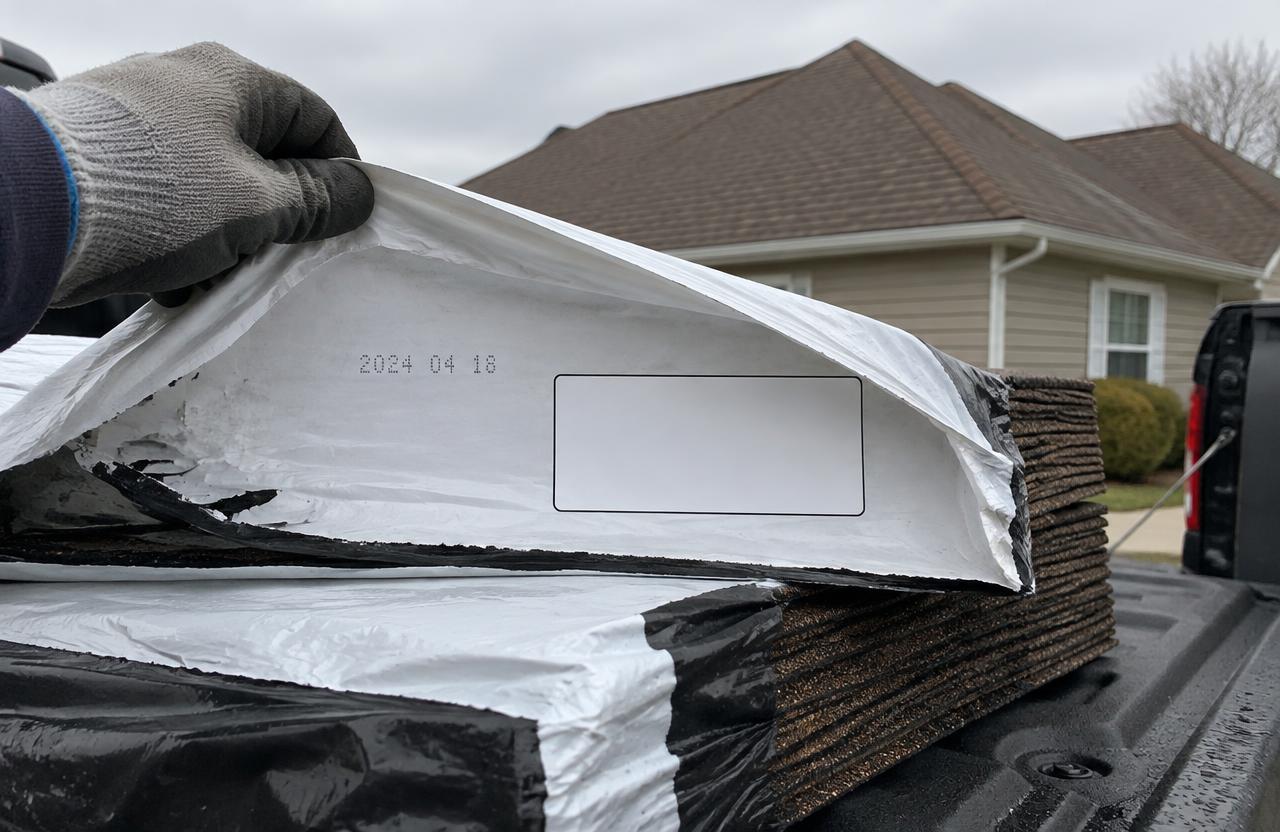
So "a TAMKO roof" is not enough to know what you have. Find the product line and the color. A bid should name both. If you have an old bundle wrapper in the garage, check it. Your invoice may also list it.
The purchase date picks the paper
TAMKO's warranty center lets you look up papers by product and by date. That matters because warranties change over time. TAMKO's 2025 paper says the version that applies is the one in force on the date the shingles were bought at retail. It is not the install date.
For example, TAMKO's general limited warranty for its fiberglass-asphalt shingles has an effective date of January 1, 2025. Shingles bought before then may fall under an older paper. Shingles bought after may fall under this one. Check the paper's date against your purchase date. Keep the install date too, since other terms can use it.
If you can't find the purchase date, look at the supplier receipt, the invoice or the contract. A home seller may also know.
General warranty versus HailGuard
TAMKO lists a separate HailGuard document for certain products. It is not the same as the general shingle warranty. It has its own terms, limits and steps.
Don't mix the two. A friend's HailGuard terms may not fit your roof. And the general warranty's terms may not fit a product covered by the HailGuard paper. Find out which one applies to your exact shingle.
No paper makes a roof hail proof. Large or strong hail can still cause damage. If you think you have storm damage, start with a careful check from safe ground. Our hail page explains the next steps.
| Step | What to find | Where to look |
|---|---|---|
| 1. Name the product | Shingle line and color | Invoice, contract or bundle wrapper |
| 2. Pin the dates | Retail purchase date (picks the paper) and install date | Purchase receipt, invoice and contract |
| 3. Match the paper | Warranty in force on the purchase date for that product | TAMKO warranty center |
| 4. Check extras | Any enhanced coverage and its rules | Issued certificate and contractor papers |
Enhanced coverage has its own rules
Some makers offer more coverage when certain things are true. With TAMKO, enhanced coverage needs a contractor who qualifies. It needs an install that meets the program's rules, often with set parts. It needs sign-up on time. TAMKO's current document says the enhanced paper is then issued to the owner at no separate charge.
It replaces the standard wrapper warranty. You don't get both stacked together. Older general pages mention fees, but the exact document for your product is what counts. A contractor's own project or office charge is a different thing. If a bidder offers enhanced coverage, ask to see a sample of the paper. Ask what you must do to keep it, and how long you have to sign up.
Checking a contractor's status
TAMKO has a page to find contractors. If a roofer says they hold a TAMKO title, look them up there. Check the name and the area.
Titles can change. A badge on a truck is not proof. This site claims no TAMKO title. We share the finder so you can check for yourself.
Keep in mind that a title is only one part of the choice. You still want a clear bid, good photos and someone who answers your questions.
Ratings belong to named products
You may see impact and wind ratings in ads. These come from tests on named products. They don't spread across the whole brand.
Wind results also depend on how the roof is put on. Nailing, starter strips and how the shingles seal all play a part. Ask the bidder which product has which rating, and how their crew will meet the install steps for it.
An impact rating can matter to some insurers. Ask your insurer what they need to see. We don't promise any discount or claim result.
Install papers from TAMKO
TAMKO posts product papers and install guides in its download area for pros. These show nailing, starter rows, low-slope rules and how to finish hips and ridges.
Ask your roofer which guide they will follow. Ask how they handle the parts that matter most for leaks: valleys, walls, chimneys and pipe vents. Ask for photos of the layers before they are covered.
Attic air and the roof
The roof works with the attic below. In a vented attic, air should move in low near the eaves and out high near the ridge. Blocked vents can lead to heat and damp problems.
Some homes have attics built to be unvented on purpose. Those should not get new vents cut in by guesswork. A good roofer checks which kind you have before changing anything. Ask them to explain what they found.
Workmanship is a separate promise
A shingle warranty is mainly about the product. Mistakes in the install, like bad nailing or poor flashing, usually fall to the contractor. Some enhanced programs add some coverage for this, but only as their paper says.
Ask each bidder for their workmanship terms in writing. How long do they last? What do they cover? What do they leave out? Who do you call if a leak shows up?
Buying a home with a TAMKO roof
If you are buying a home, ask the seller for the roof papers. You want the purchase and install dates, the product name, the invoice and any certificate.
Some coverage can move to a new owner, but often with steps and time limits. Read the transfer part of the paper. If papers are missing, a roof check can tell you about the roof's condition, but not its warranty status.
What to keep on file
Keep the contract and invoice. Note the product, color, purchase date and install date. Save the warranty paper for that date and product. Save any enhanced certificate.
Keep the contractor's workmanship terms and any photos of the work. Add notes on later repairs. One folder makes a claim or a sale much easier.
Questions to ask before you sign
Which exact TAMKO product will you use? Which warranty paper applies to it on the purchase date? Is this the general paper, the HailGuard paper or another one?
Are you offering enhanced coverage? What does it need, and do you charge anything of your own for it? What does your workmanship promise cover? Which install guide will you follow? Will I get photos of the hidden layers?
If a bidder can't answer, that tells you something. Clear answers make bids easier to compare.
If you can't find any papers
Many owners don't know what is on their roof. That is common, especially after a home sale. Start with the county or city permit record, if one exists. It may show a date. Ask past owners or the roofer named on old paperwork.
A roofer can sometimes tell the product line from the look of the shingle. But that is a best guess, not proof. Without a date and proof of purchase, you may not be able to use the warranty at all. Plan as if you may need to rely on the roof's condition instead.
Low-slope areas and special spots
Some parts of a roof are flatter than the rest, like a porch roof or a dormer. Shingles have a lowest slope they can go on, and they may need extra underlayment there. Some spots may need a different roof type.
TAMKO's install papers set these limits for each product. Ask your roofer how they will handle each low spot. A shingle put on a slope that is too flat can leak and may not be covered.
Repairs and color matching
Shingle colors change over time and from batch to batch. A new shingle may not match an old roof exactly. Some lines are also discontinued.
Ask the roofer to show you a sample before a repair. Ask if the repair could affect any coverage. Keep the repair invoice with your roof file. If a match isn't possible, talk through your options before work starts.
Storm damage versus a defect
A product defect is a fault in how the shingle was made. Storm damage is caused by weather, like hail or high wind. They are handled in different ways.
Warranty papers often leave out damage from storms above certain limits, from foot traffic or from poor install. Storm damage may fall to your home insurance instead. Ask a roofer to look first, then read both papers. We can't promise how either will respond.
Selling your home later
When you sell, a buyer will likely ask about the roof. Having the product name, install date, invoice and warranty paper ready makes that easier.
Check what the paper says about moving coverage to a new owner. Some coverage moves only once, only within a set time or only after notice to the maker. Some may need a fee. Do this before closing so the buyer knows what, if anything, carries over.
Gutters, edges and trim
Edges matter for leaks and for wind. A drip edge, starter row and gutters all work together at the eaves. If gutters are replaced at the same time, plan the order of work so the edge details stay correct.
Ask the roofer how they will handle the eaves and rakes for your exact product. The install guide covers starter rows and edge nailing. Getting these right helps the roof shed water where it should.
How we serve TAMKO roof owners
We are serving homeowners across the Omaha area who have or want a TAMKO roof. Use the form on this page to ask for a roof check or bid. Share the product name and purchase and install dates if you have them.
For any exact term or certificate, TAMKO's current paper for your product and date is the final word.
Common questions
Which TAMKO warranty covers my roof?
For the standard warranty, TAMKO's 2025 paper says the version is picked by the date the shingles were bought at retail, not the install date. Keep proof of both dates. A newer paper may not match an older roof.
Is the HailGuard paper the same as the general shingle warranty?
No. It is a separate document for certain products. Don't assume its terms apply to every TAMKO shingle, or that the general warranty's terms apply to it.
How do I get enhanced coverage?
It needs a contractor who qualifies, an install that meets the rules and sign-up on time. TAMKO's current document says the enhanced warranty is issued to the owner at no separate charge and replaces the standard one. Ask a contractor to list any charge of their own in writing.
Are you a TAMKO contractor?
No. This site has no link to TAMKO and claims no TAMKO title. You can check any roofer's status on TAMKO's own contractor finder.
Do all TAMKO shingles have the same wind rating?
No. Wind and impact results belong to named products, and wind results also depend on the install. Ask for the paper that shows the rating for the product you are buying.
Related help
Sources we checked
Official and standards pages we used to check facts on this page. Rules can change, so confirm with the source.