Quick answer
A cedar roof can often be kept going with targeted care: clearing debris, fixing split or missing pieces, and keeping water moving off the roof. But no one can promise a set number of years left. The right choice depends on how much of the wood is still sound, how the roof was built, and what a close check finds. Shakes and shingles are not the same, and they are built differently.
Cedar roofs: what you have up there
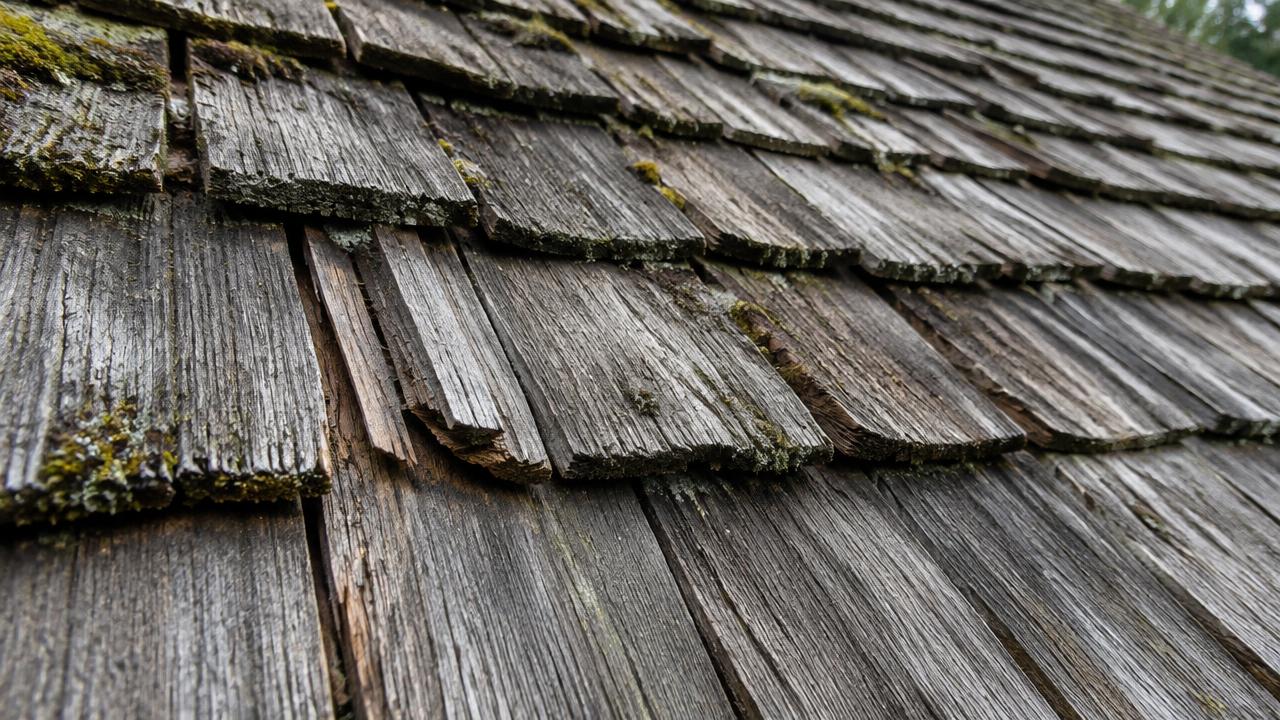
Cedar roofs are made of many small pieces of wood laid in overlapping rows. Each row covers the gaps in the row below. Rain runs from piece to piece and off the roof. The wood is meant to get wet, then dry out. Drying is what keeps it healthy.
There are two main kinds. Shingles are sawn and fairly smooth and even. Shakes are thicker and rougher, often split by hand or machine on at least one side. They look different, and they are built differently. Shake roofs often have strips of felt laid between rows, called interlay. That step is part of many shake roofs, but it is not used on every wood roof. Shingle roofs are often built another way.
We serve homeowners across the Omaha area. This page helps you think about care, repair or replacement for a cedar roof you already have, or one you are thinking about.
Why the build matters for repairs
Because shakes and shingles are built differently, repairs need to match. A new shake slipped into a shingle roof, or the other way around, may not fit or shed water the right way. Pieces come in different lengths and grades. The amount of each piece that shows, called exposure, also matters.
The Cedar Shake & Shingle Bureau publishes a roof installation manual. It shows how each kind should be put on, including nails, spacing, and how rows lap. A crew should know what you have before they start. Ask them to tell you if your roof has shakes or shingles and how they know.
Common problems on cedar roofs
Many problems start with water that can't dry out. These are things a check often looks for.
- Leaves, needles and dirt packed between pieces, holding water.
- Moss or lichen, mostly on shady sides and under trees.
- Pieces that are split, cupped, curled or missing.
- Wood that has worn thin or feels soft and crumbly.
- Nails that have rusted or pulled out.
- Flashing at chimneys, valleys and walls that is loose, rusted or short.
- Gutters full of debris, so water backs up at the edge.
| What is found | Often points to | Question to ask |
|---|---|---|
| Leaves and needles packed in the gaps | Cleaning so the wood can dry | How will you clean it without power washing? |
| A few split, cupped or missing pieces | Spot repair | Will new pieces match the type and size on the roof? |
| Moss in shady areas only | Targeted care in those areas | What is your plan for the shady side? |
| Soft, crumbly or thin wood across many areas | The wood may be near the end | How much of the roof is affected? Can you show photos? |
| Leaks at chimneys, valleys or walls | Flashing work, not only wood | Is the leak from the wood or the metal? |
Targeted care, not a blanket fix
Not every cedar roof needs the same thing. Care should be aimed at what the roof actually needs. A sunny roof with no trees may need very little. A roof under tall trees may need regular cleaning in the gaps and more care on the shady side.
The Bureau's maintenance FAQ covers cleaning and care. It warns against power washing, since high pressure can damage the wood. Debris can often be cleared by hand or with gentle tools. Trimming branches that hang over the roof can help it dry.
Be careful with offers to seal a cedar roof. The Cedar Bureau advises against sealers and film-forming coatings, which can trap moisture. Breathable water-repellent or preservative treatments are a different kind of product and may fit some roofs. Ask what product, why your roof needs it, and what the maker says. Get it in writing.
Spot repairs
A few split or missing pieces can often be replaced. The crew slides out the broken piece, removes the old nails, and puts in a new one that matches the type and size. The new wood will look lighter at first. Over time, cedar weathers to gray, and the color often blends in.
Spot repairs work best when most of the roof is still sound. If many pieces break when a crew works around them, that tells you the wood may be near the end. Ask the crew to note how the nearby wood held up during the repair.
Flashing on cedar roofs
Many leaks on wood roofs are not from the wood at all. They come from flashing, the metal at chimneys, valleys, walls and vents. Flashing can rust, pull loose or be too short. Some older roofs have flashing that was reused from an even older roof.
If a leak shows up near one of these spots, ask the crew to check the metal first. Our roof flashing page explains more. Fixing the flashing may solve the leak without touching much of the wood.
How to tell if the wood is near the end
There is no fixed age when cedar must be replaced. Some roofs last a long time. Others wear faster because of shade, moisture or how they were put on. What matters is the condition of the wood today.
Signs that a roof may be near the end include wood worn very thin, many pieces that crack when touched, wide gaps where rows no longer cover the row below, and soft or crumbly areas across much of the roof. If these signs are spread across the whole roof, repairs may not last.
Ask for clear photos of every slope. Ask how much of the roof is in each condition. That helps you decide with facts, not guesses.
If you are thinking about replacement
When a cedar roof needs to be replaced, you can choose cedar again or a different material. Some people want the look and feel of real wood. Others choose asphalt, metal or synthetic shakes made to look like wood.
Each choice changes the roof. New cedar should be put on the way the Bureau's manual shows for that type. Other materials have their own needs for the deck, underlayment and ventilation. Our pages on asphalt shingles and synthetic roofing help you compare.
Local fire, building and HOA rules may also affect your choice. Ask your local building office and HOA before you decide.
What to ask a crew about cedar
These questions help you compare crews and plans.
- Is my roof shakes or shingles, and how can you tell?
- Will you follow the Bureau's installation manual for repairs?
- How will you clean the roof without power washing?
- Are you suggesting a treatment? Which product, and why for my roof?
- How much of the wood is still sound? Can you show photos?
- Is the leak from the wood or from flashing?
Keep a simple roof record
Write down when the roof was put on, if you know. Add each cleaning, repair and storm check, with the date and who did it. Keep photos from the ground each spring and fall. Over a few years, the photos show if moss, gaps or wear are growing. That helps you plan instead of guess.
Fire and wood roofs
People often ask about fire and wood roofs. Some cedar products are treated to meet fire ratings. A rating depends on the product and how it is put on, sometimes with a special layer below. Local rules may also apply.
Ask the crew for the rating of the exact product and what the install guide says is needed to meet it. Ask your city or HOA if they have rules on wood roofs.
Shade, trees and drying
Wood that stays wet wears out faster. Shade keeps it wet. So does a pile of leaves in a valley. A roof under big trees may age much faster on one side than the other.
Look at your roof from the yard on a sunny day after rain. Which parts dry first? Which stay dark? The dark parts are where care helps most. A tree pro can thin branches so more sun and air reach the roof.
Gutters and the roof edge
Full gutters can hold water at the bottom rows of wood. That edge can rot first. In winter, packed gutters can also help ice build up at the edge.
Keep gutters clear, or have them cleaned in spring and fall. Make sure downspouts carry water away from the house. Our gutter page explains safe ways to check them from the ground.
After a storm
Wind can lift or snap wood pieces. Hail can split them. Falling limbs can punch holes. After a big storm, walk around the house and look up. Use binoculars if you have them.
Look for pieces on the ground, fresh light-colored wood where a piece broke, and limbs on the roof. Take photos from the ground with the date. Then call a crew to look closely. Do not climb up yourself.
What you can safely do yourself
Please stay off a wood roof yourself. Moss and wet wood make it slick, and old pieces can snap.
From the ground, you can watch for moss, missing pieces, and debris piled in valleys. You can keep gutters clear from a stable spot, or hire that out. You can trim branches away from the roof with help from a tree pro. You can keep notes and photos of what you see after storms. Leave the roof itself to a trained crew.
Common questions
What is the difference between shakes and shingles?
Cedar shingles are sawn smooth on both sides and are thinner and more even. Shakes are thicker and often split on at least one face, so they look rougher. They are put on in different ways, so repairs should match what you have.
Should my cedar roof be power washed?
The Cedar Shake & Shingle Bureau advises against power washing. High pressure can tear up the wood surface. Ask any crew how they plan to clean without it.
Should cedar be sealed or treated?
Do not seal it. The Cedar Bureau says not to put sealers or film-forming waterproof coatings on cedar roofs, because the wood needs to breathe and dry. Some breathable water-repellent or preservative treatments may be suitable in some cases. Ask which product, why your roof needs it, and if the Bureau and the product maker support it for cedar roofs.
How many years does my cedar roof have left?
No one can tell you a fixed number. It depends on the wood, the build, shade, moisture and care. A close check can tell you how much wood is still sound today.
Can I walk on my cedar roof to look?
No. Wood roofs can be slick, and old pieces can break underfoot. Look from the ground or ask for photos.
Related help
Sources we checked
Official and standards pages we used to check facts on this page. Rules can change, so confirm with the source.