Quick answer
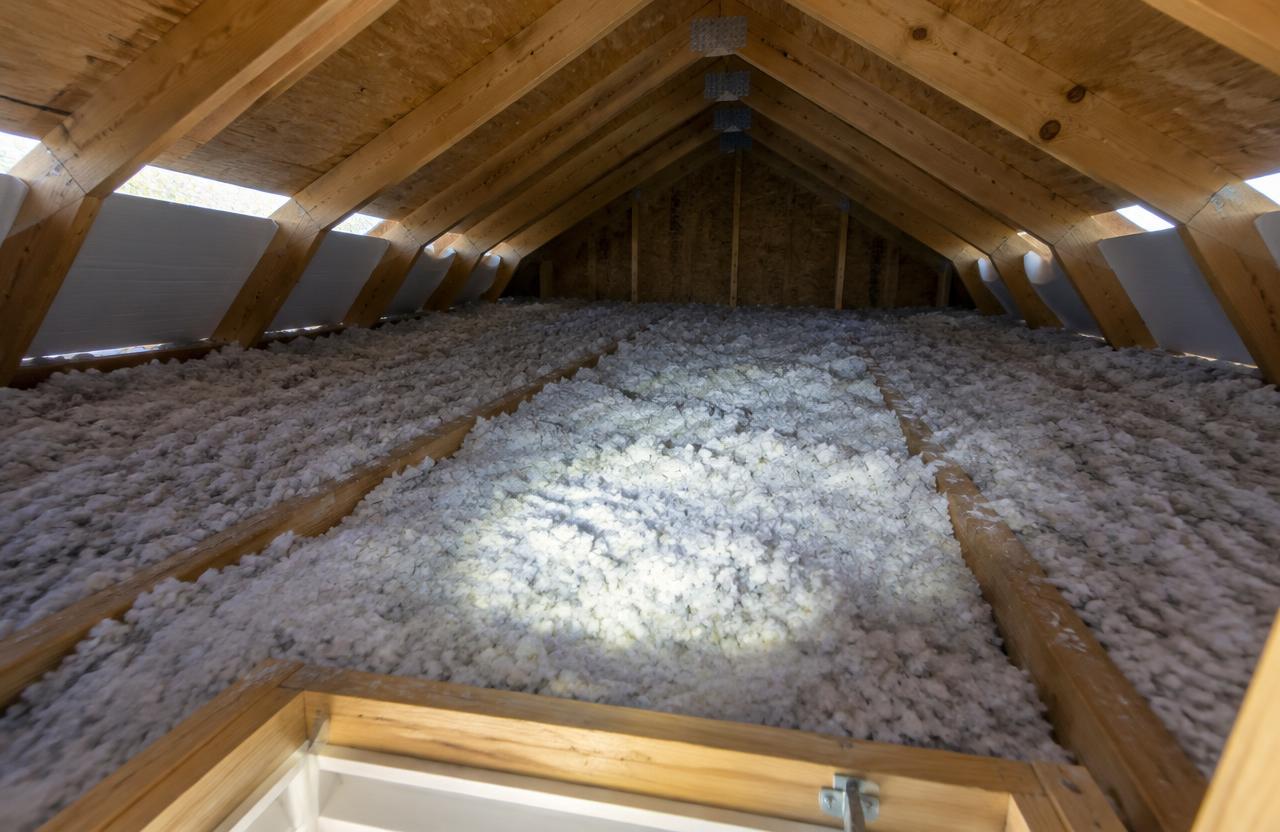
Attic insulation keeps heat where you want it. Attic ventilation, in a vented attic, moves outside air through the space to carry off heat and moisture. Air sealing stops house air from leaking into the attic. These are three different jobs. The right plan starts with knowing which kind of attic you have and what is really going wrong.
Three jobs, not one
People often lump insulation and vents together. They are related, but they do different things.
Insulation slows heat from moving through. In winter it keeps house heat in. In summer it slows attic heat from coming down.
Air sealing closes gaps between the house and the attic. Gaps around lights, pipes, wires and the attic hatch let warm, moist air rise into the attic.
Ventilation, in a vented attic, lets outside air come in low at the soffits and go out high near the ridge. That air carries off heat and moisture.
We serve homes across the Omaha area with attic insulation and ventilation as their own service. We start by finding which of the three jobs your home needs.
First, know your attic type
Most homes have a vented attic. The insulation lies on the attic floor, and the attic above it stays cold in winter.
Some homes have an unvented, or sealed, attic. The insulation is pressed up against the underside of the roof. The attic is part of the warm house. The Department of Energy explains that this design can work well, especially when ducts run through the attic.
This difference matters a lot. Advice for one can hurt the other. Adding roof vents to a sealed attic can bring in damp air and cause the very problems it was meant to fix.
Signs your attic needs a look
These signs point to a problem in the attic, not always the roof.
- Rooms upstairs are much hotter or colder than the rest of the house.
- Icicles and ice dams build up along the roof edge.
- Frost or water drops on attic nails in winter.
- Dark stains or mold on the underside of the roof deck.
- Snow melts off your roof much faster than your neighbors' roofs.
- High heating or cooling bills with no other clear cause.
| Question | Vented attic | Unvented (sealed) attic |
|---|---|---|
| Where is the insulation? | On the attic floor | Under the roof deck, along the roof slope |
| Is the attic warm in winter? | No, it should be close to outside temperature | Yes, it is closer to the house temperature |
| Are there roof or soffit vents? | Yes, air flows in low and out high | No, the attic is sealed on purpose |
| Where do ducts sit? | Often in a cold attic | Inside the warm, sealed space |
| Should vents be added? | Maybe, if a check finds too little airflow | No, adding vents can cause problems |
| Who should check? | An insulation or roofing crew | A crew that knows sealed attic designs |
Stay out of an unfinished attic
Many attics have no floor, just narrow wood beams called joists with ceiling below. Do not go in. A slip can send a foot through the ceiling, or worse. Insulation can hide wires, nails and gaps.
You can look from the hatch with a flashlight without climbing in. Take photos from there. Leave the walk-through to a crew with boards to stand on, masks and lights.
What a whole-attic check covers
A good check looks at the attic as a system. The crew measures insulation depth in several spots, because it is often thin in some places and thick in others.
They look for air leaks around the hatch, lights, pipes, chimneys and wires. They check where bath and kitchen fans vent. A fan that blows into the attic instead of outside sends a lot of moisture up there.
In a vented attic, they check that soffit vents are not blocked by insulation and that there is a clear path for air to rise. They look for stains, mold and signs of past leaks on the roof deck.
Air sealing comes before more insulation
ENERGY STAR advises sealing air leaks before adding insulation. Once new insulation is blown in, the gaps are buried and hard to reach.
Common fixes include foam around pipes and wires, sealing the top plates of walls, weatherstripping the attic hatch and covering big openings like dropped ceilings. Sealing around a chimney or flue needs fire-safe materials, so leave that to a crew.
Adding insulation
Most attic insulation in homes is blown-in loose fill or rolled batts. Loose fill is good at filling around wires and odd shapes. Batts are easier where you need to move them later.
ENERGY STAR lists levels for each climate zone. Omaha falls in zone 5. Its table says R-60 for an attic with no insulation, and adding R-49 when 3 to 4 inches are already there. The right plan comes from measuring your attic. The crew should mark the target depth on rulers so you can see it was met.
Baffles go in at the eaves of a vented attic. They hold insulation back so air can flow up from the soffit vents. Without them, new insulation can block the airflow.
Improving ventilation in a vented attic
If a check finds too little airflow in a vented attic, the crew may suggest clearing or adding soffit vents, adding a ridge vent or fixing blocked paths.
More vents are not always better. Mixing vent types, like a ridge vent and gable vents on the same attic, can short-circuit the airflow. A crew should explain how air will enter and leave.
Vent work on the roof is roofing work. Each new vent is a hole in the roof that needs proper flashing.
Moisture, mold and health
The EPA says the key to mold control is moisture control. In attics, most moisture comes from the house below, not from rain.
If you find mold, the cause has to be fixed first: air leaks, fan ducts or a real roof leak. Cleaning or removal of mold is a separate service from insulation and roofing. Ask who will handle it.
Doing it with a new roof
A roof replacement is a good time to fix ventilation. The crew can cut a ridge vent and fix soffit openings while the roof is open.
Tell your roofer about any attic problems before they bid. Ask whether ventilation changes are in the scope, and whether air sealing and insulation are part of the job or a separate one.
Questions to ask
Use these to compare crews.
- Is my attic vented or unvented, and how can you tell?
- How deep is my insulation now, and what is the target?
- Will you air seal first? Which spots?
- Where do my bath and kitchen fans vent?
- Will you add baffles at the eaves?
- Will you leave depth rulers so I can see the result?
Getting started
Take photos from the hatch, note which rooms feel off and write down any ice dams or frost you have seen. When you are ready, tell us what is going on. We help homeowners across the Omaha area get the attic right.
Summer heat in the attic
On a hot day, a vented attic can get much hotter than the outside air. Insulation on the attic floor slows that heat from moving into the rooms below.
Good airflow can help carry some heat out of a vented attic. But in summer, insulation and air sealing usually matter more for comfort than adding fans. A light, reflective roof can also lower how hot the roof gets. If upstairs rooms bake in summer, ask the crew to check all three.
Ducts in the attic
Many homes have heating and cooling ducts running through a cold attic. Leaky duct joints can blow warm, moist air straight into the attic in winter and cool air into it in summer.
Sealing duct joints and covering the ducts with insulation is often part of a good attic job. A heating and cooling pro may need to do some of it. In some homes, a sealed attic design is chosen just to bring the ducts inside the warm space.
The attic hatch
The hatch is often the biggest single gap in an attic floor. A bare wood hatch with no seal lets house air pour into the attic.
Weatherstripping around the edge and a block of insulation on top of the hatch are simple, low-cost fixes. Pull-down stairs can get an insulated cover. ENERGY STAR lists the hatch as one of the first spots to seal.
Bath fans and dryer vents
A bath fan pulls steam out of the bathroom. If its duct ends in the attic, or comes loose, the steam goes into the attic instead of outside. In cold weather, that moisture can freeze on nails and the roof deck.
Dryer vents should never end in the attic either. A crew should trace each fan and vent to its outside end. Fixing a loose duct is often a small job that solves a big moisture problem.
Old insulation and safety
Some older homes have loose insulation that looks gray-brown and shiny, like small pebbles. It may be vermiculite. The EPA says to assume it may contain asbestos and to leave it alone. Do not move it, store things on it or work in that attic. Talk to a trained asbestos professional before anyone disturbs it. The EPA says removal should be done by an accredited asbestos abatement firm.
Other old insulation may be packed down, dirty or full of pest waste. A crew can tell you if it should be topped up or removed.
What results to expect
Good air sealing and insulation often make rooms more even and help with ice dams in a vented attic. How much it lowers bills depends on your house, your heating and cooling and your habits. Be wary of any crew that promises an exact savings number.
How our request form works
We serve homes and businesses across the Omaha area. This website is a preview right now. The online form checks your answers, but it does not save or send them yet, so no roofer gets your request from it.
When online requests are turned on, this note will change. Until then, the form is a way to see what we will ask: your town or ZIP, what you see and what kind of help you need. We do not sell your details.
Common questions
How much attic insulation do I need?
R-value measures how well insulation slows heat. For zone 5, which includes Omaha, ENERGY STAR lists R-60 for an attic with no insulation, and R-49 to add when 3 to 4 inches are already there. Your attic may differ, so ask the crew to measure what you have and write a plan for it.
Will more vents fix my ice dams?
Not always. Ice dams often start when warm house air leaks into the attic. Air sealing and insulation usually come first. In a vented attic, a crew may also suggest better airflow.
Is frost on my attic nails a roof leak?
Often it is not. It is usually moist house air freezing on cold nails. When it melts, it can drip and look like a leak. A crew should check air leaks and bath fan ducts first.
Do I need to remove old insulation?
Not always. Old insulation is often left in place and topped up. It may need to come out if it is wet, moldy, full of pests or blocking repairs. Some very old insulation may need testing before anyone disturbs it.
Can I just add a roof fan?
A powered fan can pull air from the house into the attic if the attic is not sealed well. That can make moisture and energy problems worse. Ask for a check of the whole attic before adding one.
Related help
Sources we checked
Official and standards pages we used to check facts on this page. Rules can change, so confirm with the source.