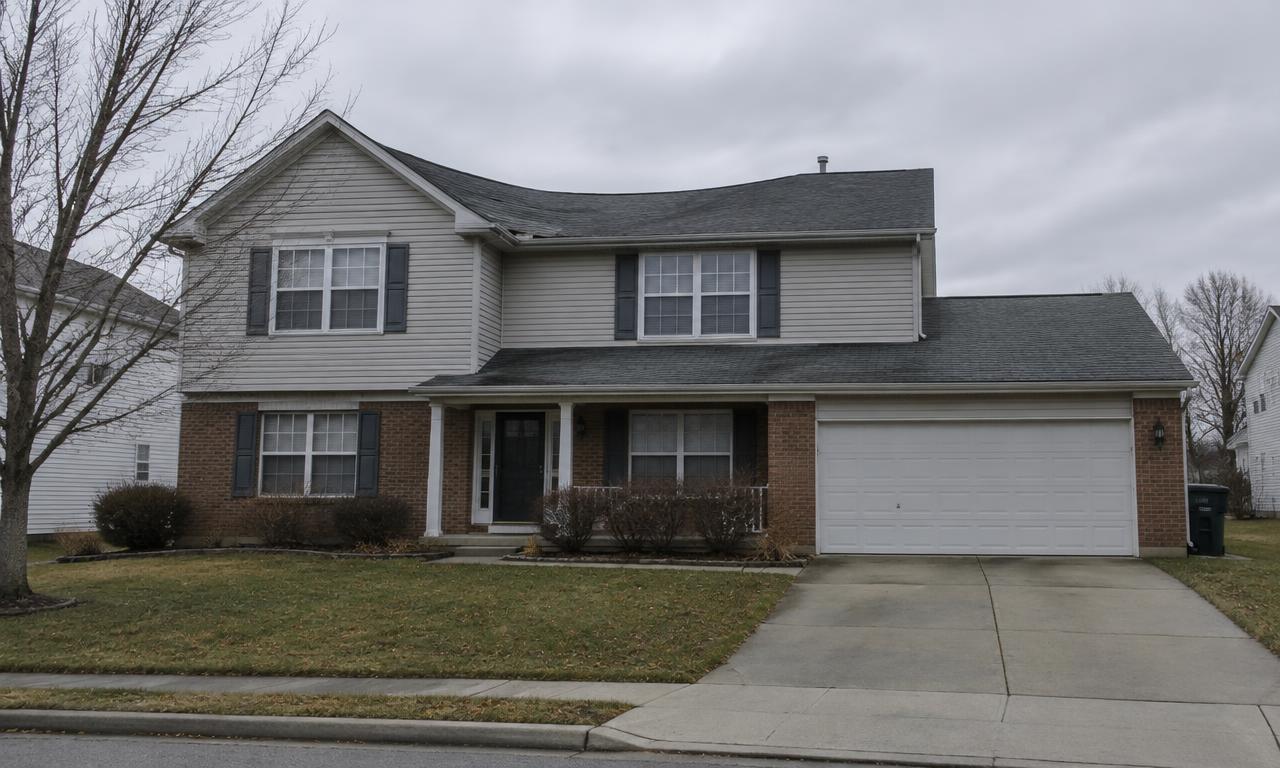
Quick answer
A roof that dips, bows or waves can mean the parts holding it up are under strain. Nobody can tell from a photo or a web page whether your roof is safe. If you also hear cracking, see a sagging ceiling or doors stick all of a sudden, leave the building right away and call 911 from outside. Do not go back in to look. Stay off the roof and out of the attic.
Safety first: when to leave the room
FEMA's snow load guidance lists signs that a roof is under too much strain. These include popping, cracking or creaking sounds, sagging ceilings, bowed roof framing, cracked wood, cracks in walls and doors or windows that will no longer open or close.
FEMA says that if you see any of these signs, people should leave the building promptly. Massachusetts safety officials add: leave right away and call 911 from outside. Then a local building official or a qualified design professional should do a full structural check. Do not go back in to judge it yourself.
Do not go into the attic to look. Do not climb a ladder to the roof. Do not prop up a ceiling yourself. Those steps put you right where something could fall.
What a sag looks like from the ground
You can learn a lot from the yard or the street. Stand well back where nothing can fall on you.
- The ridge, the top line of the roof, dips in the middle instead of running straight.
- The roof surface has a low spot or a soft wave between rafters.
- The edge at the gutter bows down or bulges out.
- Lines of shingles that should be straight look curved.
- A porch or garage roof tilts more than it used to.
- Take photos from the same spots each time. A change over weeks matters more than one picture.
Signs inside the house
Look at ceilings on the top floor. A ceiling that bulges down, has new long cracks or has drywall seams pulling apart can point to movement above. Water stains near those spots add to the concern.
Watch the doors and windows on the top floor. If one that worked fine now sticks or will not latch, the frame around it may have shifted. Cracks that run up from the corners of doors and windows are worth a photo, too.
None of these signs prove a roof problem on their own. Houses settle. But two or three together, or any that show up fast, are a reason to call for help now rather than wait.
| What you notice | What to do now | Who to call |
|---|---|---|
| Cracking or popping sounds, a ceiling bulging down, doors or windows that suddenly jam | Get everyone out of the building now and call 911 from outside | Local building officials or a structural engineer, plus a roofer |
| A new dip after heavy snow, rain on snow or a storm | Keep people out of rooms under the dip and stay off the roof | A structural engineer or qualified contractor soon |
| A slow wave you have seen for years, with no leaks or sounds | Take dated photos from the same spot on the ground | A roofer and, if they advise it, an engineer |
| Dips plus leaks or soft spots seen from inside | Catch water, move items and keep clear | A roofer to check the deck, and an engineer if framing is involved |
| Bowed fascia or a sagging porch roof | Stay out from under it | A roofer or carpenter, and an engineer if supports look cracked |
Common reasons roofs sag
A sag is a symptom. The cause decides the fix. A crew may find one or more of these.
- Heavy loads: deep snow, drifts against a taller wall, or rain soaking into snow.
- Long-term water damage: a slow leak that rotted the deck or framing.
- Too many layers: old shingles left under new ones add weight.
- Undersized or overspanned framing: boards too small or too far apart for the load.
- Changed framing: a past project that cut or removed a support.
- Moved walls or supports: the load path below the roof has shifted.
Snow and Omaha winters
FEMA explains several ways snow can overload a roof. Drifts pile up deeper next to taller walls and in valleys. Rain on top of snow soaks in and gets much heavier. Melted snow can refreeze into ice dams at the eaves and add weight there.
Roofs with odd shapes, lower sections next to tall ones or flat spots collect more drift. If your home has those features, watch them closely after a big storm. Watch from inside or from the ground, never from the roof.
Deck sag vs. framing sag
The deck is the layer of boards or panels under the shingles. When the deck gets wet for a long time, it can soften and dip between the rafters. That shows as small waves in a row along the roof.
The framing is the rafters or trusses that hold the deck up. When framing bends or breaks, the dip is usually longer and deeper. It may follow the ridge or run across a whole section.
A roofer can often fix deck sag by replacing the soft panels. Framing sag needs a plan from someone who can judge loads. In many cases that means a licensed structural engineer. A good roofer will say so instead of trying to hide it under new shingles.
Who does what
A roofer checks and repairs the roof layers and the deck. A structural engineer studies the framing, works out what it must carry and writes a repair plan. A general contractor or framing crew may then build the repair, such as adding boards beside a cracked rafter or putting in new supports.
Ask each person what they found and what part they will handle. Ask whether the repair needs stamped drawings or a permit. Get that in writing before work starts.
Temporary steps a pro may take
When a sag is urgent, a crew may set temporary posts called shores inside to hold the load until a real fix is in place. They may also cover leaks with a tarp from safe access.
These are short-term steps. They are not a repair. Ask how long the temporary setup is meant to stay, what it is holding and what the final plan is.
Water damage and mold
A sag that comes from long-term leaks often brings wet insulation and stained wood. The EPA's moisture guide says the key to mold control is moisture control. Wet materials should be dried or removed, and the water source fixed.
Ask the crew to note any damp or moldy areas in their report. Some mold cleanup is a job for a mold pro, especially in large areas.
How to read a repair bid
Sag repairs vary a lot. A clear bid helps you compare.
- What cause did they find, and what proof do they have, like photos or an engineer's note?
- Is the work on the deck, the framing or both?
- Who designs the framing repair, and is a permit included?
- What happens if more damage turns up once the roof is opened?
- What warranty covers the work, and is it in writing?
Red flags
Be careful with anyone who says a sag is fine without looking inside. Be careful with a plan to just put new shingles over a dip. Be careful with high-pressure sales after a storm.
The FTC advises getting written bids, checking references and not paying the full price up front. In Nebraska, many contractors must register with the Department of Labor. You can check before you hire.
Keep a simple record
Write the date you first saw the sag and any change since. Keep your photos in one folder. Note snowstorms, heavy rain and any leaks.
This record helps the roofer and the engineer. It can also help if you file an insurance claim, though only your insurer can say what your policy covers.
Questions to ask on the first visit
Have a short list ready when the crew or engineer comes out. It keeps the visit on track and gives you clear answers to compare.
- What do you think is causing the dip, and how sure are you?
- Is it the deck, the framing or something below, like a wall or beam?
- Is the house safe to use as normal while we wait for the fix?
- Do you need to see the attic, and how will you get in safely?
- Will you put what you found in writing, with photos?
- Who else should look at this before work starts?
Porch roofs, garages and additions
Smaller roofs sag too. A porch roof rests on posts and a beam. If a post rots at the base or a beam cracks, the roof above it can drop. Garage roofs often span wide open spaces with no walls in the middle, so they carry a lot on each board.
Additions are worth a close look. Where a new roof ties into an old one, the framing may have been joined in a hurry. Water can also collect where the two roofs meet. Stay out from under a sagging porch or carport, and do not park under one that is dropping.
Old houses and past projects
Many older homes have framing that was sized by eye, not by a load chart. Over decades, boards can creep and bend a little at a time. That slow change may be stable, or it may be getting worse. Only a person on site can judge that.
Past projects matter too. Someone may have cut a rafter to fit a skylight, a vent fan or attic stairs. A wall below may have been taken out to open up a room. Tell the crew about any past work you know of. It can point them right to the cause.
Insurance and records
Some sags come from one event, like a heavy storm. Others come from years of slow wear. How an insurer treats the claim can depend on the cause and on your policy. Only the insurer can decide that.
Call your insurer if you think a storm caused the damage. Share your dated photos and the crew's written report. Do not sign over an insurance check to a contractor. The FTC warns against that after storms.
How our request form works
We serve homes and businesses across the Omaha area. This website is a preview right now. The online form checks your answers, but it does not save or send them yet, so no roofer gets your request from it.
When online requests are turned on, this note will change. Until then, the form is a way to see what we will ask: your town or ZIP, what you see and what kind of help you need. We do not sell your details.
Common questions
Can you tell me if my sagging roof is safe?
No. We cannot judge whether a roof is strong enough from a photo or a phone call. That takes a person on site, and for framing problems it often takes a structural engineer. If you see warning signs like cracking sounds or a bulging ceiling, leave that area first.
Should I shovel snow off a sagging roof?
Do not climb onto a roof that is sagging. Your weight adds to the load, and the roof is slick and high. FEMA's snow guidance says to leave the building and call for a structural check when warning signs show up. Snow removal should be left to trained crews.
Is a wavy roof always a structural problem?
Not always. Waves can come from swollen deck boards, layers of old shingles or uneven framing from when the house was built. But you cannot tell which from the ground. Have it checked instead of guessing.
Will a new roof fix a sag?
Only if the cause is in the deck or roofing layers. If rafters, trusses or walls have moved, new shingles on top will follow the same dip. The framing needs a repair plan first.
Do I need a permit to fix framing?
Structural work often needs a permit, but the rules depend on the city and the job. Ask the contractor to check with the local building office and show you what was filed.
Related help
Sources we checked
Official and standards pages we used to check facts on this page. Rules can change, so confirm with the source.